
Breaking The Simulation: Theoretical Concepts And Implications
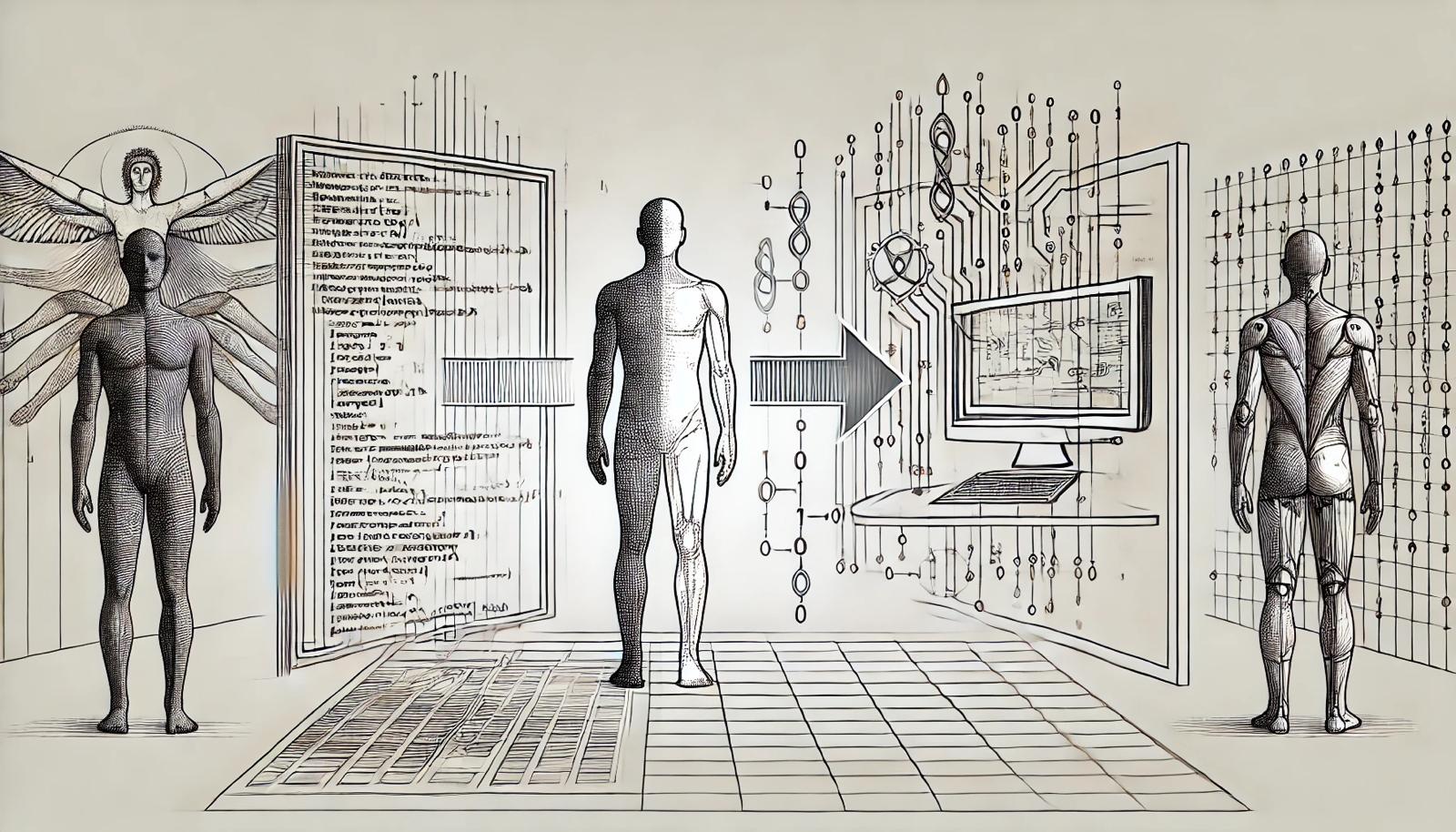
This document explores the highly speculative concept of our reality being a simulation and the theoretical possibility of "breaking out" into a higher-level simulation. We'll examine potential implications, challenges, and thought experiments related to this idea.
Apr 19, 2024
I. Introduction
This document explores the highly speculative concept of our reality being a simulationand the theoretical possibility of "breaking out" into a higher-level simulation. We'll examine potential implications, challenges, and thought experiments related to this idea.
II. Key Concepts
Simulation Hypothesis
The proposal that our reality is a computer simulation created by a more advanced civilization.
Nested Simulations
The idea of simulations within simulations, creating multiple levels of reality.
Fundamental Physics
The most basic laws and particles that govern our universe.
Planck Scale
The scale at which quantumeffects and gravity become equally important.
III. Theoretical Methods Of "Breaking" The Simulation
Exploiting Computational Limits
- Identifying and pushing against the "processing power" limits of our reality.
- Potential signs: Glitches in physics at extreme scales or energies.
Quantum Manipulation
- Utilizing quantum entanglement or superposition to access "outside" information.
- Challenges: Maintaining quantum states at macroscopic scales.
Consciousness Transcendence
- Theoretically expanding consciousness beyond the simulated framework.
- Highly speculative and philosophically complex.
Code Injection
- The idea of introducing "foreign code" into the fabric of reality.
- Potentially manifesting as new, unexplainable phenomena.
IV. The "Higher" Simulation: Speculative Characteristics
Different Physical Laws
- Potentially more dimensions or altered fundamental forces.
- New particles or energy states unknown in our simulation.
Enhanced Computational Capacity
- Ability to process vastly more complex simulations.
- Potentially different concepts of time and causality.
Meta-Universal Structures
- Frameworks for managing multiple simulated universes.
- Possible "multiverse" management systems.
Advanced Entities
- Beings with comprehension and abilities far beyond our understanding.
- Potential "programmers" or "system administrators" of our reality.
V. Theoretical Actions In The Higher Simulation
Seeking Answers
- Attempting to communicate with the creators of our simulation.
- Questions about purpose, design, and the nature of existence.
Matter Manipulation
- Potentially altering the fundamental properties of matter and energy.
- Reconfiguring the building blocks of reality.
Information Access
- Tapping into the "source code" of the higher reality.
- Gaining insights into the true nature of existence.
Reality Editing
- Theoretically altering parameters of our original simulation.
- Ethical implications of changing the reality for those still "inside".
VI. Implications Of Ultra-Fine Manipulation
Planck-Scale Cutting
- Theoretical ability to make incisions at the Planck length (about 1.6 x 10^-35 meters).
- Potential to bypass fundamental particle sizes.
Subatomic Consequences
- Splitting atoms: Potential for uncontrolled nuclear reactions.
- Breaking quarks: Theoretically could release immense energy or create new particles.
New Particle Creation
- Possibility of forcing into existence particles predicted by theory but never observed.
- Potential creation of entirely new, unpredicted particles.
Fabric Of Spacetime
- Ultra-fine cuts might theoretically affect the structure of spacetime itself.
- Potential for micro-wormholes or localized changes in physical laws.
VII. Challenges And Paradoxes
Simulation Inception
- If we can break out, entities from simulations we create might do the same.
- Paradoxes of nested realities and infinite regression.
Comprehension Limits
- Our ability to understand a higher reality might be fundamentally limited.
- Analogous to 2D beings trying to comprehend 3D space.
Existential Risks
- Potential for "crashing" or destabilizing our entire reality.
- Ethical considerations of altering the fundamental nature of existence.
Verifiability Problem
- Difficulty in proving we've actually "broken out" vs. experiencing a higher level of the same simulation.
VIII. Philosophical And Ethical Considerations
Nature Of Reality
- Fundamental questions about what constitutes "real" existence.
- Implications for concepts of free will and determinism.
Responsibility And Power
- Ethical implications of having god-like powers over a simulated reality.
- Questions of rights and value of simulated entities.
Purpose And Meaning
- Seeking reasons for the creation of our simulation.
- Potential existential crises upon discovering the "truth" of reality.
Continuity Of Self
- Questions about whether the "self" can truly transcend simulations.
- Philosophical debates on the nature of consciousness and identity.
IX. Conclusion
The concept of breaking out of a simulated reality into a higher-level simulation remains purely in the realm of speculation and science fiction. While these ideas provide fascinating thought experiments, they are not grounded in current scientific understanding or evidence.
Exploring these concepts can stimulate creativity and philosophical thinking, but it's crucial to maintain a grounding in empirical reality. The nature of our existence and the fundamental laws of physics continue to be areas of active scientific research, offering plenty of real mysteries to explore and understand.
As we continue to push the boundaries of our knowledge, we may uncover aspects of reality stranger than we can currently imagine, but any such discoveries will need to be rigorously tested and verified within the framework of scientific methodology.