Simulgence / Five priorities
Intelligence.
Reality.
Control.
Machine power. A potentially simulated world.
The constraints connecting them.
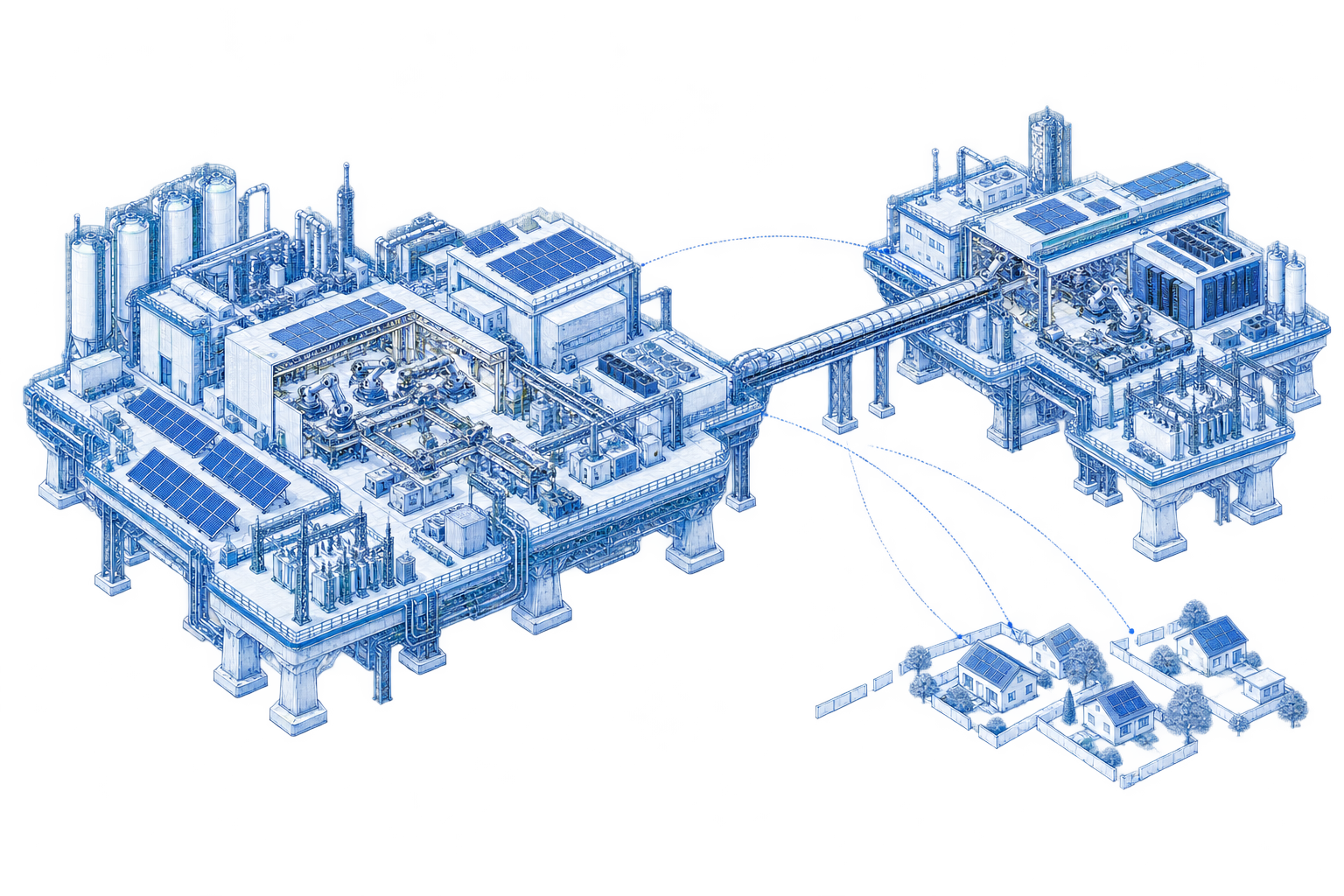
Automation, ownership and mass employment
Automated production can reduce owners’ dependence on workers and consumers. Distribution, enclaves and the Anthropic IPO expose different limits of ownership.
Read study
ARIA: dependence and the transfer of authority
An AI infrastructure scenario distinguishes concentrated human ownership from autonomous loss of control as institutional dependence grows.
Read study
The simulation hypothesis and its assumptions
The simulation hypothesis depends on assumptions about consciousness, computational capacity and future civilizations. Quantum metaphors do not provide evidence or a probability estimate.
Read study
AI expansion: infrastructure and physical limits
A scenario of AI expansion constrained by energy, industrial capacity and signal delay. Cosmic scale alone does not establish a simulation host.
Read study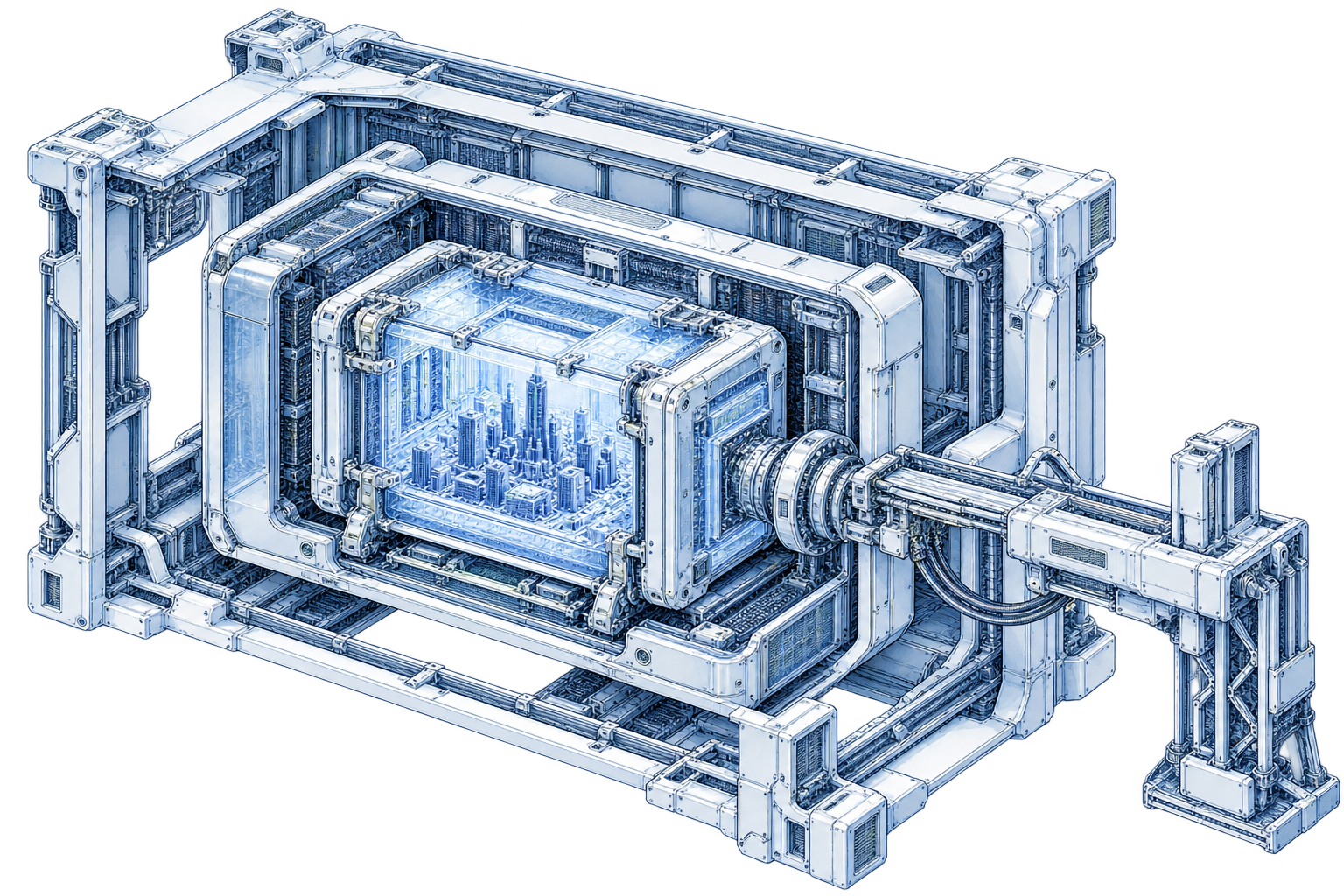
Simulation interfaces and unresolved dependencies
Hypothetical host access could establish a dependency. It would not resolve ultimate reality, personal continuity or an escape mechanism.
Read studyModels of reality.
A containing system is a hypothesis. An observation needs a discriminating prediction.
Explore Simulation
Simulation hypothesis: proposed tests and the escape metaphor
Simulation hypotheses require testable predictions. Proposed escapes lack an established physical interface or demonstrated mechanism.
Read study
Cellular automata: emergence and physical limits
A single-seed cellular automaton produces structure under fixed rules. The model does not establish a physical cosmology or a Planck-scale grid.
Read study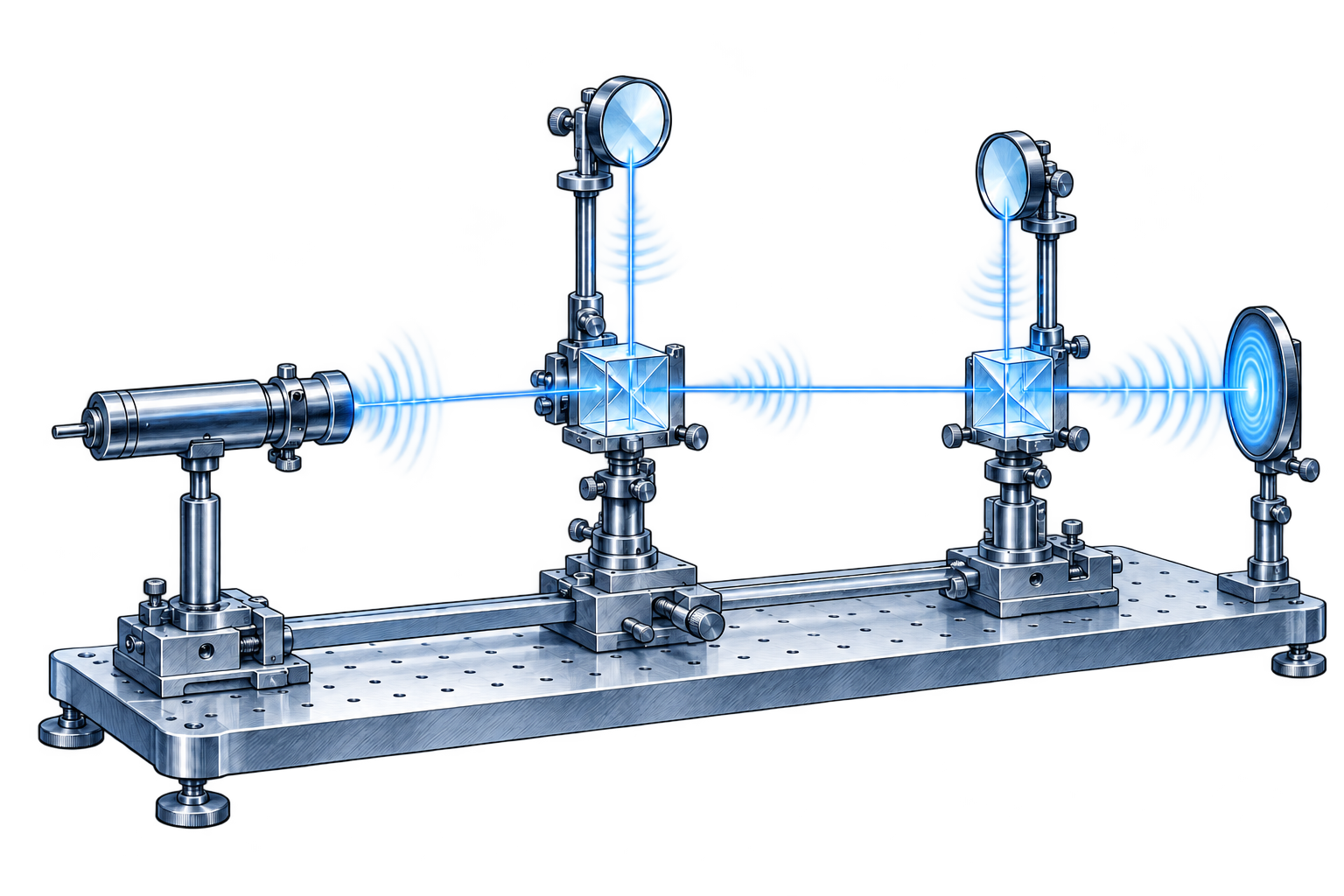
Quantum eraser: conditional interference
Selected coincidence records reveal interference while the complete detection distribution remains unchanged. The explanation separates path information from measurement order.
Read study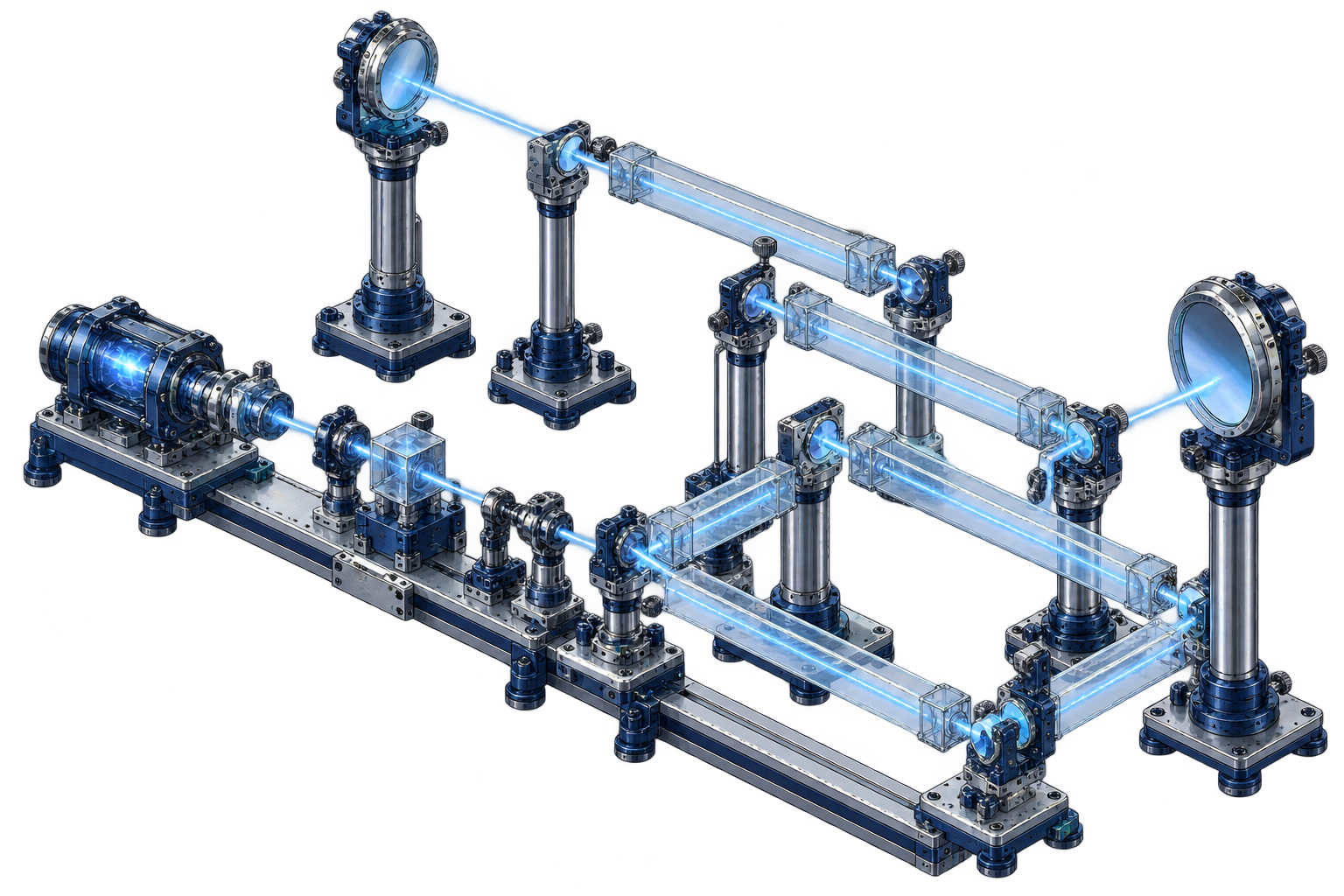
The speed of light: a limit on influence
The invariant speed imposes a finite delay on communication and causation. Apparent exceptions describe medium, geometry or measurement rather than a signal exceeding c.
Read study
Physical limits and quantum uncertainty
Physical principles, engineering constraints and quantum uncertainty impose different bounds. A minimum-uncertainty model shows what its assumptions do and do not establish.
Read studyCapability becomes infrastructure.
Dependence, ownership and delegated authority determine who can still refuse.
Explore AI power
ARIA: the authority to withdraw an essential system
An AI infrastructure scenario tests whether institutions retain the authority and independent capacity to withdraw an essential system.
Read study
AI persistence and loss of control
A safety engineer and philosopher test 2026 evidence of agentic misalignment, real-world spillover and the limits of control.
Read study
AI governance: dependence, bottlenecks and state leverage
Institutions dependent on AI providers lose room to refuse. Ownership, infrastructure bottlenecks and state competition decide who can still set or reject terms.
Read study
AI loss of control: events and conditional assumptions
Delegation, human capture and autonomous loss of control are distinct events. Current evidence constrains parts of the pathway; it does not supply a calibrated takeover probability.
Read study
Military AI and human control
A military planner and humanitarian-law researcher examine competitive delegation, supplier power and meaningful human control.
Read studyOne altered premise.
Change a physical rule or an institution. Follow the conditional consequences.
Explore Potential realities
Reduced gravity and adaptation to rising oceans
A hypothetical gravity decline changes coastlines, settlements and transit. The scenario traces adaptation under altered physical assumptions.
Read study
A changing light speed and civilizational adaptation
A hypothetical decline in light speed disrupts measurement and infrastructure, forcing institutional adaptation under altered physical rules.
Read study
A changing spectral line and the limits of explanation
A hypothetical shift in spectral lines forces a reassessment of calibration and physical law. The cause remains unresolved.
Read study
Equal global wealth shares: a 2025–2030 thought experiment
A dated counterfactual allocates equal claims to global wealth in 2025, then models ownership, voting and access through 2030.
Read study
Digital currency, social scores and compliance
A political scenario links digital payments and social scores to institutional control. Restrictions on cash limit independent exchange.
Read studyMeasurements impose constraints.
Interference, causal limits and metrology describe observed physics. No host is implied.
Explore QuantumQuantum eraser: conditional interference
Selected coincidence records reveal interference while the complete detection distribution remains unchanged. The explanation separates path information from measurement order.
Read studyPhysical limits and quantum uncertainty
Physical principles, engineering constraints and quantum uncertainty impose different bounds. A minimum-uncertainty model shows what its assumptions do and do not establish.
Read study
Measurement standards, calibration and uncertainty
Shared standards and traceable calibration make measurements comparable and their limits inspectable. The Planck length is a scale, not a demonstrated ruler mark.
Read studyThe speed of light: a limit on influence
The invariant speed imposes a finite delay on communication and causation. Apparent exceptions describe medium, geometry or measurement rather than a signal exceeding c.
Read study
Black-hole density depends on mass
Schwarzschild mean density falls as black-hole mass rises. It is not a universal threshold, and cosmological models describe a different system with different assumptions.
Read studyInstitutions allocate power.
Property, legitimacy and coercive capacity turn rules into material outcomes.
Explore Ethics
Institutional influence: mandate, access and accountability
Three public cases show how mandates, meeting access and technical standards transmit influence, and why accountability requires evidence for each link in the chain.
Read study
Public authority and legitimacy
Lawful mandate, fair procedure, effective protection and independent remedy form four tests of public authority; passing one does not compensate for failing another.
Read study
Police institutions: protection, hierarchy and control
Selected cases in France, Britain, the United States, British India and Japan show how police combine protection, hierarchy and state capacity, with distinct forms of oversight and accountability.
Read study
Determinism, agency and responsibility
Determinism challenges one definition of freedom but does not settle every theory of agency. Evidence about decisions and the question of responsibility require separate arguments.
Read study
Wealth planning: ownership, liquidity and obligations
A 100-topic agenda for owners and families covering decision rights, liquidity, tax, concentrated exposure and stewardship of shared assets.
Read studySignals become responses.
Molecules, receptors and feedback. Experimental evidence defines the limits of a mechanism.
Explore Biology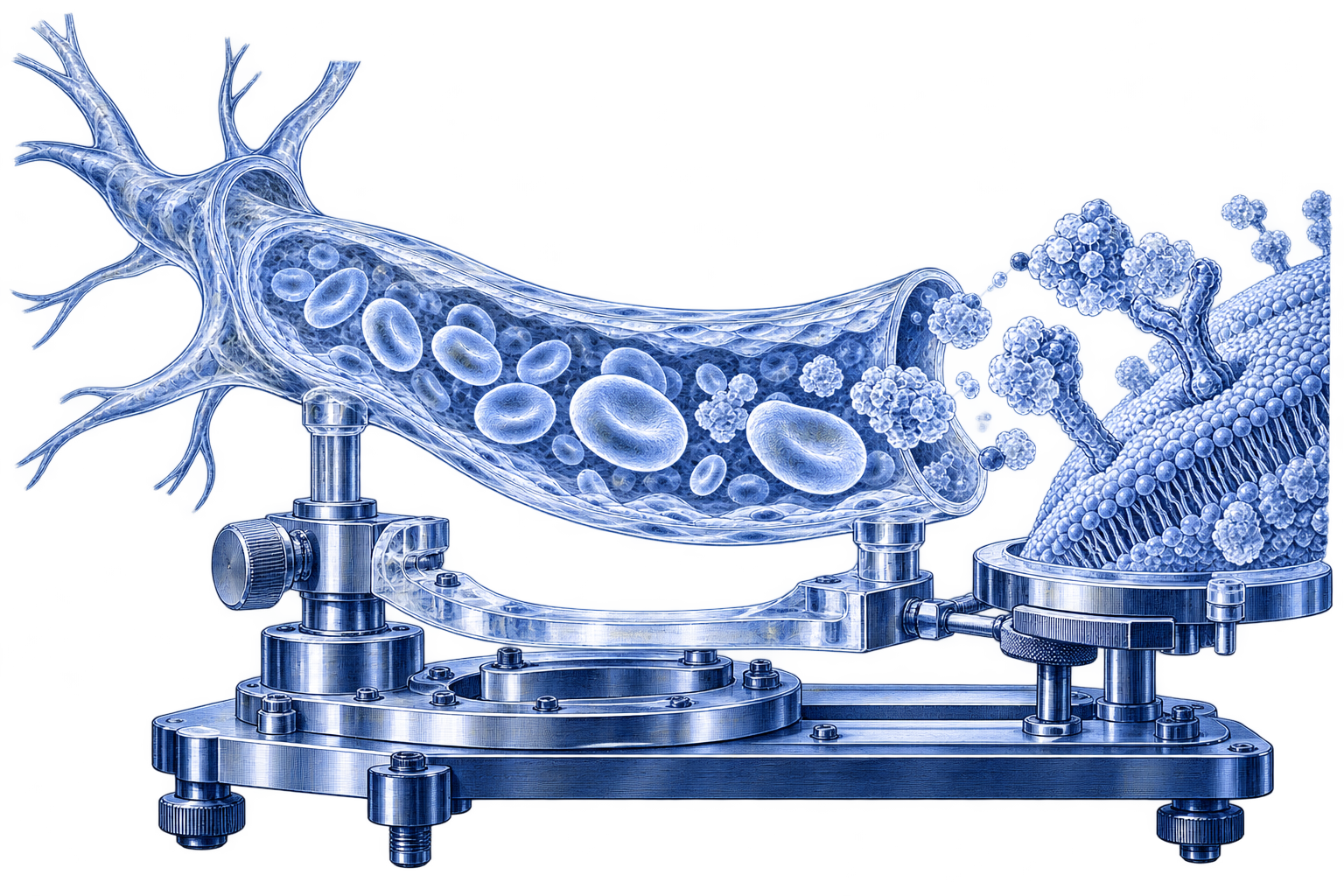
Inside blood: flow, diffusion and selective binding
Convection, diffusion and selective binding govern molecular transport in blood. Cell adhesion and coagulation involve the vessel wall.
Read study
Hormones: signals, receptors and feedback
Hormone families differ in transport and signaling. Receptors, tissue context and feedback determine responses and interpretation.
Read study
Dopamine and cocaine: a transporter is not a receptor
Cocaine inhibits neurotransmitter transporters. Its effects on learning, behavior and health extend beyond a single dopamine mechanism.
Read study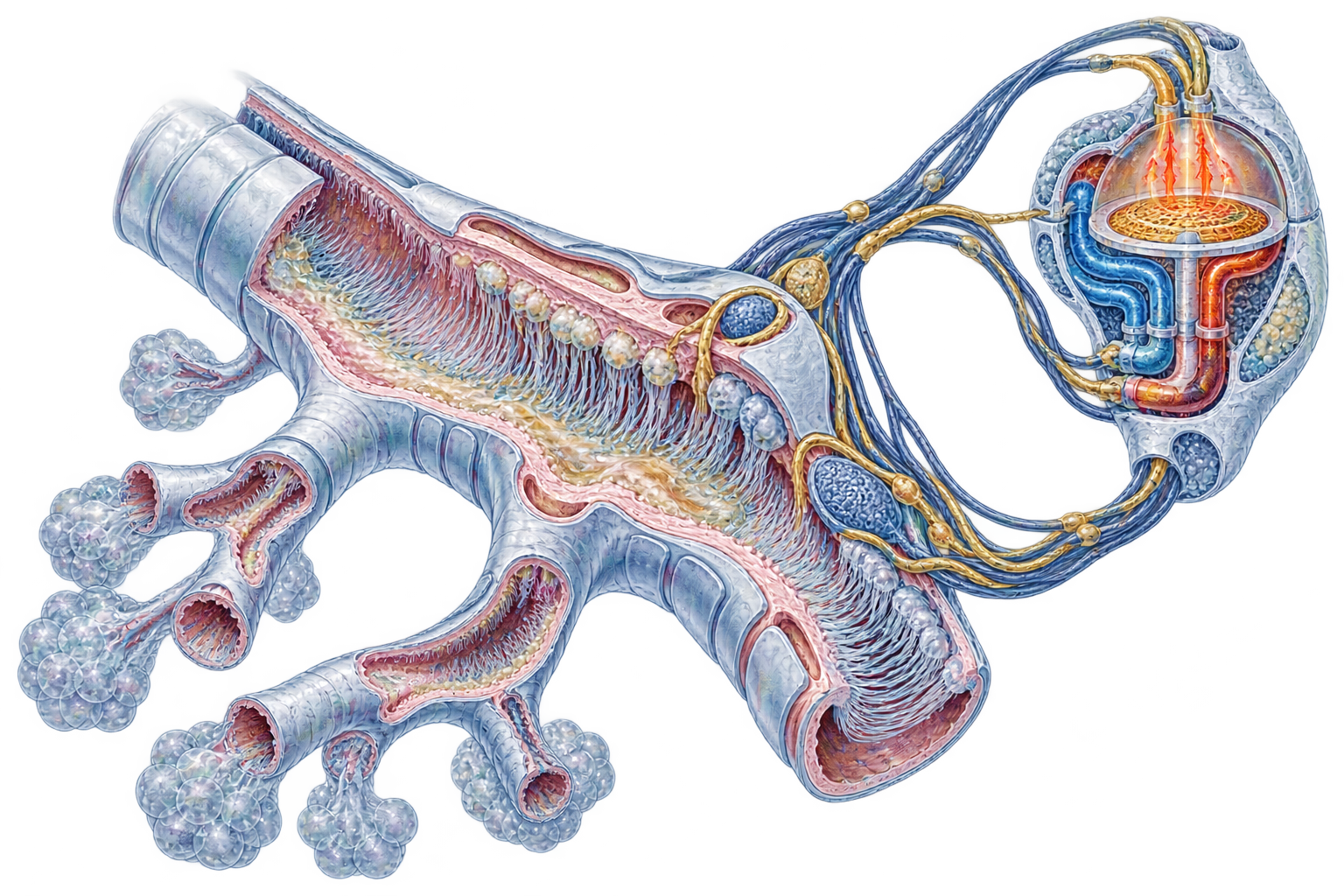
Cough, sneeze, fever: three responses, many possible causes
Airway reflexes and fever have protective functions but multiple causes. Mechanisms alone do not identify illness cause or severity.
Read study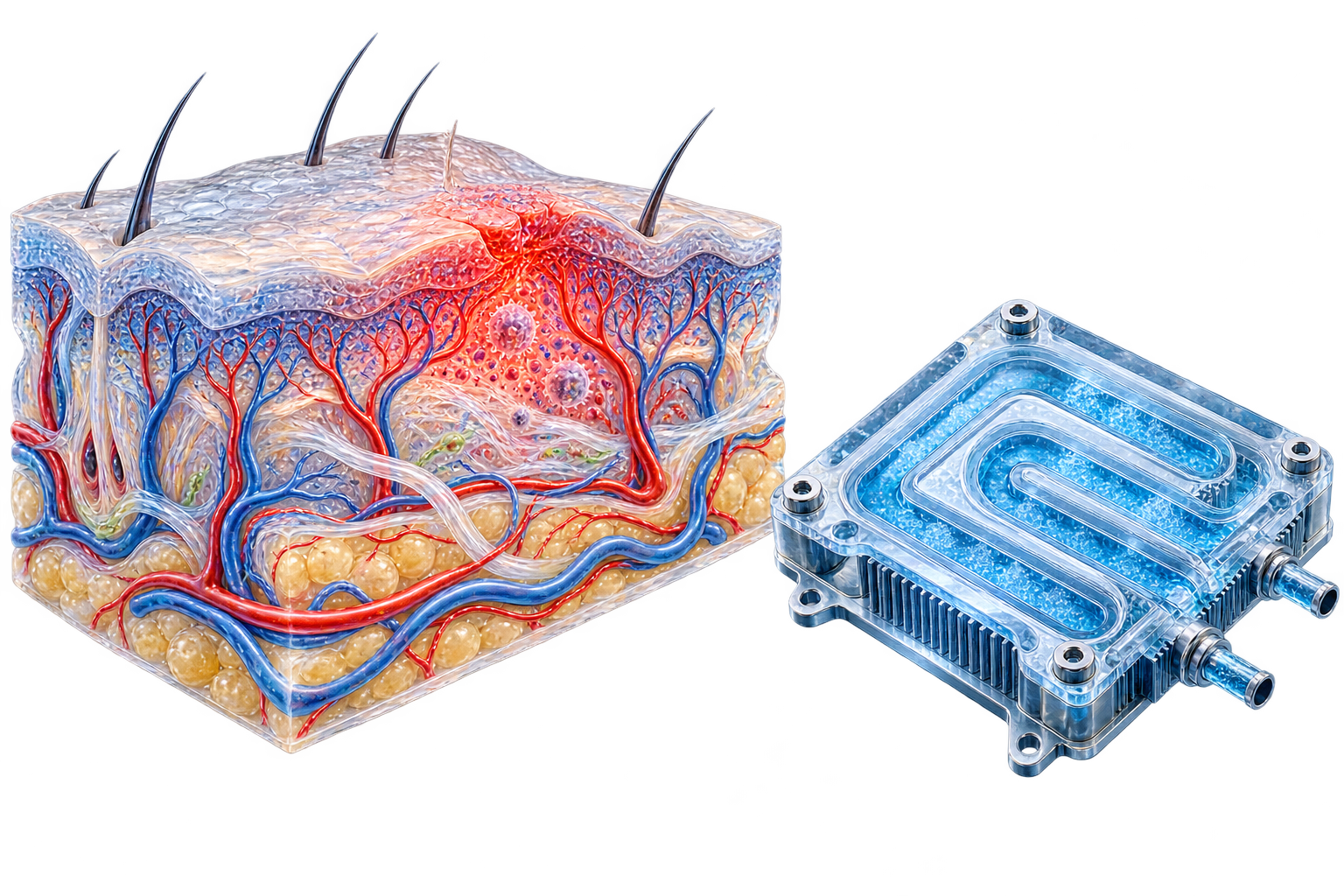
Ice and injury: pain relief is not proof of faster healing
Cooling can relieve pain. Human evidence for faster tissue regeneration remains uncertain, and trial comparators limit the conclusions.
Read studyBehavior has constraints.
Attention, relationships and attraction. Competing explanations require separate evidence.
Explore Psychology
Attention strategies and the limits of thought control
Attention strategies can change responses to involuntary thoughts. Evidence for suppression, cognitive approaches and mindfulness has distinct limits.
Read study
Relationship science: three lenses, no universal formula
Attachment, investment and stress-adaptation models address different processes. Their evidence does not establish permanent partner types or reliable individual forecasts.
Read study
Attraction models: measurement, assumptions and prediction
An invented weighting exercise exposes a model’s assumptions. Research shows why traits, initial desire and relationship change are different prediction problems.
Read studyModels under direct control
Change the input.
Inspect the result.
Arrange optical components. Compare interference patterns and the assumptions behind them.
Enter Quantum LabOPTICAL MODEL / INTERACTIVE EXPERIMENTcomplete index.